
Post 3 in the “How to Get Started Managing Your Personal Finances” Series
Why It Matters Debt can feel like a heavy weight on your shoulders—something you try to ignore—until the bills are due or your credit card is maxed out. But it doesn’t have to be that way. Getting out of debt isn’t just about numbers—it’s about creating space to breathe, make choices, and stop feeling stuck.
You’re not alone. Many of us carry debt, whether it’s from student loans, credit cards, or unexpected life events. What matters is how you respond once you see the full picture.
First: Build a Small Emergency Fund Before you dive headfirst into paying off debt, it’s important to create a small financial safety net. Why? Because life will happen—cars break down, kids get sick, jobs shift. If you don’t have any savings, you’re more likely to fall back on credit cards and undo your hard work.
💡 Start by saving $500 to $1,000 in a separate savings account. This doesn’t have to happen overnight. Even $20 a week adds up. Once you have that mini emergency fund in place, you can focus more confidently on paying down debt.
Step 1: List All Your Debts Create a simple list of:
- Who you owe
- How much you owe
- The interest rate
- The minimum monthly payment
You can use a notebook, a spreadsheet, or a budgeting app—whatever feels simple and sustainable for you.
If you have a lot of credit card debt, I made a post to specifically address this, see it here.
📋 Tip: This step isn’t about judgment. It’s just about getting a clear picture.
Step 2: Choose a Strategy That Works for You There are two popular methods to pay off debt:
1. The Snowball Method
Focus on your smallest debt first, while making minimum payments on the rest. Once that’s paid off, roll that payment into the next smallest debt.
→ Great for motivation and quick wins.
2. The Avalanche Method
Focus on the debt with the highest interest rate first to save more over time.
→ Most efficient financially, though it may take longer to feel progress.
🎯 Choose the one that keeps you going. There’s no one “right” answer—only what works for your mindset.
And keep in mind—not all debt is bad. For example, if you have a mortgage with a 3.5% interest rate, it usually doesn’t make sense to rush to pay it off. You’re often better off investing that money and potentially earning a 7% return over time.
Step 3: Find Extra Money to Pay Toward Debt Now that you’ve tracked your spending (remember Post 2?), look for expenses to cut or reduce. Cancel an unused subscription. Eat at home one more night a week. Sell something sitting in your garage.
Decide what small sacrifices you’re willing to make now to reach your long-term goals. For me, this looked like working out at home instead of in a gym, not buying new clothes for a while, learning how to cook at home instead of eating out, and shopping around for cheaper car insurance. Knowing where my money was going allowed me to strategize the best ways to redirect it.
Every extra dollar counts. Even $50 extra per month can knock down your debt faster than you think. If you have a $35,000 car loan at 8% interest over five years, you’ll pay about $7,580 in interest alone—that’s 22% of the total loan amount! But every extra payment you make reduces the interest you’ll owe and speeds up your progress.
Step 4: Build in Accountability Staying motivated is tough. Here’s how to stay on track:
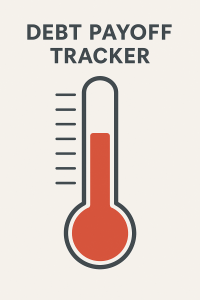
- Use a visual tracker to see your progress
- Celebrate every debt you pay off (yes, even small ones!)
- Tell someone your goal or check in monthly with a partner
Real Talk: This Takes Time—And That’s Okay You didn’t accumulate this debt overnight, and you don’t have to fix it overnight either. But with a plan, support, and steady action, you will make progress.
Reflection Prompts
- What would being debt-free allow you to do or feel?
- Which debt weighs on you the most emotionally?
- What’s one small change you could try this month to free up extra cash?
 Chic Money Life
Leave a comment