Tag: goals

  • 10 Practical Spending Rules I Actually Follow

    10 Practical Spending Rules I Actually Follow

    Simple habits that help me shop smarter and save more (without feeling deprived)

    My natural spending tendencies used to swing wildly between two extremes—overdoing it and depriving myself of everything. It never felt good to feel guilty for spending too much money, and it never felt good to feel so deprived of small, simple pleasures. I wanted balance.

    So, I created a set of personal rules—guidelines that would give me back control over my spending and my finances. I wanted to be mindful of waste and unnecessary purchases, while still allowing space to enjoy life. These small, practical habits help me spend more intentionally and feel better about where my money goes.

    These are my real-life spending rules. They’re not rigid or extreme—just small ways I avoid waste, reduce impulse spending, and stay more in control.


    1. If it doesn’t fit, it doesn’t come home.

    I’m petite and have always had a hard time finding clothes that fit. In my younger days, I’d say, “Oh this is good enough,” and buy things that really weren’t flattering. No surprise—those pieces ended up buried at the bottom of my closet.
    Now, I only buy clothes that fit me well and make me feel good right now. I’ve found that I shop less often because I actually love what’s in my wardrobe.


    2. I wait before buying something new.

    If I’m tempted to buy something non-essential—especially things I didn’t even know existed until five minutes ago—I give myself at least a week to think it over.
    This helps me ask: Is this just really good marketing? Was it a mood thing? Or will it truly add value to my life?
    Most of the time, I don’t even think about it again.


    3. I don’t overbuy—even when it seems like a “better deal.”

    This mostly applies to food. I hate wasting food. I used to buy in bulk thinking I was saving money, but when I didn’t use it all, it cost me more in the long run.
    Now I focus on buying the right amount. It helps me stay organized, reduces food waste, and keeps me from spending on things I won’t actually consume.


    4. I only buy clothes on sale.

    With a little patience, most things I like go on sale eventually. I rarely buy anything full-price unless it’s essential and timeless. This simple rule has saved me a lot over the years.


    5. I search before I buy.

    Before checking out online, I take a minute to search Google or check for promo codes. It’s a quick step that’s helped me save money many times—like the $100 I saved on my Garmin watch!
    A few clicks can go a long way.


    6. I don’t buy “just in case” items anymore.

    I used to buy things I might need someday. But most of the time, I didn’t—and those purchases just became clutter. Now, I trust that if I really need something, I’ll handle it when the time comes.


    7. I budget for joy.

    Fun spending is part of a healthy financial life. I make sure there’s room in my budget for small joys—coffee with a friend, a weekend adventure, or a cozy new sweatshirt.
    When it’s planned, it feels better—and guilt-free.


    8. I spend based on my real life, not my fantasy life.

    I’ve stopped buying for the version of me that “might host more dinner parties” or “might start going to yoga five times a week.”
    Now, I spend based on how I actually live—not how I wish I lived.


    9. I keep a capsule wardrobe.

    I’ve created a small collection of clothes that mix and match easily, fit well, and work for my real lifestyle.
    A capsule wardrobe saves me time, prevents decision fatigue, and helps me avoid trendy purchases that I’ll never wear.


    10. I stay organized so I can see what I already have.

    Whether it’s food or clothes, staying neat helps me avoid buying duplicates or wasting what I already own.
    If I can’t see it, I’ll forget I have it. So I try to keep my pantry and closet simple and easy to navigate—it saves me money and stress.


    Final Thoughts

    Smart spending doesn’t have to be complicated. These simple habits help me save money, reduce waste, and feel more content with what I have. The best part? None of them require a spreadsheet or a sacrifice—just a little pause and purpose.

    What spending rule has helped you the most? I’d love to hear it in the comments.

  • How Compound Interest Can Work for You (or Against You)

    How Compound Interest Can Work for You (or Against You)

    Compound interest is often called the eighth wonder of the world—and for good reason. It has the power to grow your money over time without any extra work from you. But if you’re not careful, it can also grow your debt just as fast.

    Understanding how compound interest works can help you build wealth, stay out of debt traps, and feel confident making long-term financial decisions. It’s one of the most important tools you have on your financial journey.


    What Is Compound Interest?

    Compound interest means you earn interest on both your original savings and on the interest that’s been added over time.

    • Simple interest = interest only on the original amount
    • Compound interest = interest on the original amount plus accumulated interest

    In short, your money makes money—and then that money makes more money. The earlier you start, the more time your money has to grow.

    And the best part? You don’t have to do anything extra. Your money literally starts working for you.


    How Compound Interest Can Impact Saving Just $100 a Month

    Let’s say you invest $100 a month starting at age 25 in an account that earns 7% annual interest, compounded monthly. Here’s what that could grow into:

    • Age 35: ~$17,000 – You saved $12,000 and earned $5,000 in interest
    • Age 45: ~$51,000 – You saved $24,000 and earned $27,000 in interest
    • Age 55: ~$116,000 – You saved $36,000 and earned $80,000 in interest
    • Age 65: ~$240,000 – You saved $48,000 and earned $192,000 in interest

    All from just $100 a month!

    Now imagine you waited 10 years and started saving at 35 instead of 25—you’d only have around $120,000 by age 65. That’s half as much, just from starting later.

    The earlier you start, the more time compound interest has to work its magic. At a certain point, your interest earns more than you contribute—that’s the beauty of it. All you have to do is consistently set money aside and let compounding do the rest.


    When Compound Interest Works Against You

    Credit card debt is the dark side of compound interest. Many cards charge 20%+ interest and compound it daily. That means if you carry a balance, you’re paying interest on interest, which makes it much harder to get ahead.

    Example:
    A $5,000 credit card balance at 22% interest—if you only make minimum payments—could take over 15 years to pay off and cost you thousands in interest.

    YIKES!
    This is why credit card debt should be treated like a financial emergency. Go into bare-bones budget mode until it’s paid off. It’s nearly impossible to make progress if you’re being charged 22% interest. That’s higher than almost any investment return you could find. Paying off high-interest debt is often the best financial return—even if it doesn’t feel exciting.


    How to Use Compound Interest to Your Advantage

    Start Now—Even If It’s Small
    Don’t wait for the “perfect time.” Small amounts invested consistently add up. The best time to start was 20 years ago; the second-best time is today.

    Automate Your Savings or Investments
    Set up automatic transfers into a high-yield savings account, Roth IRA, or investment account so you don’t have to think about it.

    Avoid Carrying High-Interest Debt
    If you’re paying compound interest on debt, your money is working against you. Focus on paying that off first.

    Reinvest Your Earnings
    In investments like ETFs or retirement accounts, let your dividends or interest reinvest. That’s how compounding keeps building over time.


    Final Thoughts

    Compound interest is one of the most powerful tools in your financial toolkit. It rewards patience, consistency, and time. Whether you’re building savings or getting out of debt, understanding how compound interest works will help you make more intentional and impactful money decisions.

    Start where you are—and your future self will thank you.

  • What’s Your Money Personality?

    What’s Your Money Personality?

    Take the quiz to learn more about your money habits


    We all approach our finances differently. Have you ever wondered why your approach to money differs from your friends or family? Some of us are natural savers. Others love the thrill of a good deal (or a good splurge). And many of us are just trying to find balance. Understanding your money habits is the first step to making intentional, healthy choices with your finances.

    Take this quick quiz to find out your money personality—and get practical tips to work with your strengths and shift any habits that might be holding you back.


    Quiz Questions:

    Keep track of how many A’s, B’s, C’s, and D’s you get!

    1. When you get paid, the first thing you do is:

    • A) Automatically move money to savings
    • B) Pay bills and check what’s left
    • C) Buy something you’ve been eyeing
    • D) Don’t really think about it until later

    2. How do you feel about budgeting?

    • A) I love it—it gives me peace of mind
    • B) I use one loosely, but I’m not strict
    • C) I find it restrictive and boring
    • D) I’ve never made one

    3. You see a flash sale online. What do you do?

    • A) Ignore it—if it wasn’t already in the plan, it’s a no
    • B) Check your budget to see if it fits
    • C) Add to cart!
    • D) Buy it and figure out the rest later

    4. At the end of the month, you usually feel:

    • A) Proud of how you managed your money
    • B) Mostly fine, but could be better
    • C) Wondering where your money went
    • D) Surprised you’re out of cash

    5. Your idea of financial freedom is:

    • A) Early retirement and a well-funded future
    • B) Paying your bills comfortably with room for fun
    • C) Being able to do what you want, when you want
    • D) Not worrying about money or planning too much

    6. When it comes to saving for the future, you:

    • A) Have clear goals and track your progress
    • B) Put something away when you can
    • C) Haven’t started—too many other priorities
    • D) Feel overwhelmed and avoid thinking about it

    7. Your biggest financial fear is:

    • A) Not being prepared for emergencies
    • B) Not earning enough to enjoy life
    • C) Missing out on experiences
    • D) Dealing with debt or unexpected bills

    8. How often do you check your accounts?

    • A) Weekly or more
    • B) A couple times a month
    • C) When I need to buy something big
    • D) Rarely

    9. If you got an unexpected $1,000, you would:

    • A) Save or invest it
    • B) Split it between savings and fun
    • C) Spend it on something you want
    • D) Use it to catch up on bills or wing it

    10. Money, to you, feels like:

    • A) A tool for stability and freedom
    • B) Something to manage wisely
    • C) A means to enjoy life now
    • D) A source of stress or confusion

    Mostly A’s – The Intentional Saver

    You’re disciplined and future-focused. You track your money, plan ahead, and find comfort in structure. Saving is second nature to you—but don’t forget to live a little, too.

    Strengths: Clarity, planning, consistency
    Watch out for: Over-restriction or guilt about spending

    Action Tips:

    • Create a “fun fund.” Set aside a small % of your income each month just for spontaneous joy—dinner out, a new book, or a weekend trip.
    • Automate your investing. Look into apps like Acorns or Fidelity Spire that grow your savings passively.
    • Review goals quarterly. Make sure your money still aligns with what you actually want—not just what you think you should want.
    • Treat yourself to tools that support your mindset. Like a sleek money tracker or a values-based planner.

    Mostly B’s – The Steady Balancer

    You’re a thoughtful manager—you aim for balance between enjoying life now and planning for the future. You’re doing well but could benefit from a little more structure or automation to stay consistent.

    Strengths: Flexibility, realism, good instincts
    Watch out for: Drifting off track or decision fatigue

    Action Tips:

    • Use the 50/30/20 rule as a baseline: 50% needs, 30% wants, 20% savings/debt.
    • Automate your savings or debt payments. It reduces mental load and helps you stay on track.
    • Do a monthly money check-in. Set a recurring calendar reminder to review your spending and reset your goals.
    • Try a budget app. Something low-lift that can help you stay organized without being overwhelming.

    Mostly C’s – The YOLO Spender

    You live in the moment—and that can be amazing! You’re generous and fun-loving, but impulsive spending might be keeping you from long-term freedom. The key is to build structure around your spending so you can still enjoy life without regret.

    Strengths: Passionate, adventurous, generous
    Watch out for: Living paycheck to paycheck or buyer’s remorse

    Action Tips:

    • Build a “Joy Budget.” Allocate guilt-free fun money on purpose—so you get to enjoy it without blowing your plans.
    • Try a cash envelope system. Set limits for things like eating out or Target runs.
    • Track your spending for just 30 days. No shame—just awareness.
    • Set short-term goals that excite you. A weekend getaway, a new outfit, a concert—then start a separate savings jar

    Mostly D’s – The Financial Free Spirit

    You don’t love rules or routines when it comes to money—and that’s okay. But even a little structure can make a huge difference. You don’t need a rigid budget, just a few intentional habits to get started.

    Strengths: Easygoing, open-minded, creative
    Watch out for: Avoidance, disorganization, last-minute panic

    Action Tips:

    • Pick ONE habit to start with. Like checking your account every Monday or tracking your expenses for one week.
    • Use visuals to stay motivated. A savings thermometer, a goal tracker, or sticky notes on your mirror can help.
    • Build micro-routines. Like logging into your budget app after your morning coffee—make it part of life.
    • Focus on values, not numbers. Ask: “What do I want my money to do for me?”—and build a simple system around that answer.

    I tend to fluctuate between an Intentional Saver and a Steady Balancer, depending on what’s going on in my life. When I’m in full-on “Intentional Saver” mode, I can get really anxious about spending money—even on things I’ve already budgeted for. That stress isn’t helpful (we all have enough to worry about!). That’s why I like to create separate budget categories for things like fun, self-care, or family time—so I can spend with intention and peace of mind.

    What about you? Drop a comment below and let us know your money personality—and one habit you’d love to improve. Let’s learn from each other!


    Leave a comment

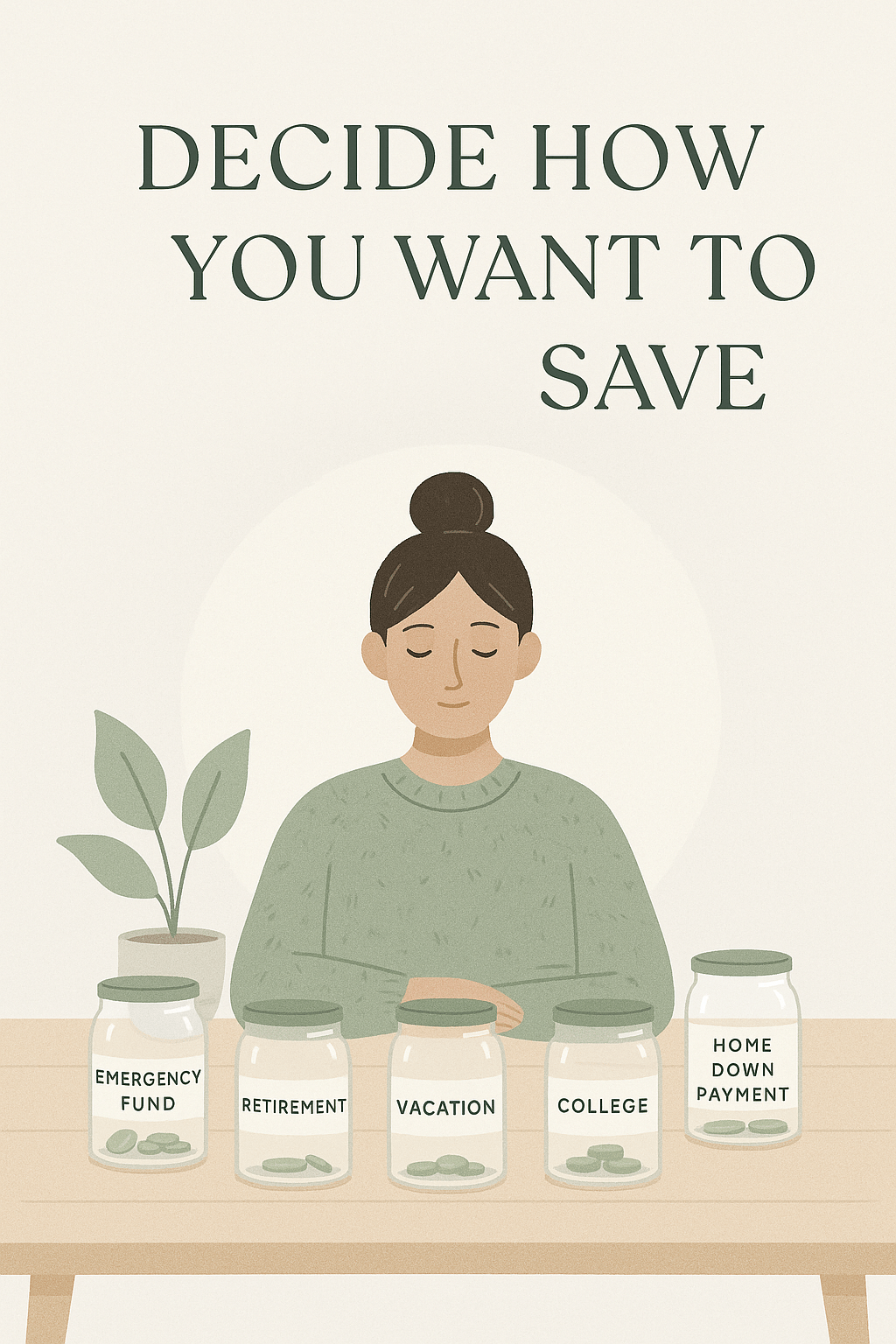
  • Decide How You Want to Save

    Decide How You Want to Save

    Post 4 in the “How to Get Started Managing Your Personal Finances” Series


    Why It Matters

    Once you’ve built your emergency fund and made progress on paying down debt, the next step is creating a savings plan that reflects your values, goals, and lifestyle. Saving money isn’t just about putting cash aside—it’s about deciding what kind of future you want and building the habits that will get you there.

    The key is to make saving feel personal, intentional, and rewarding.


    Step 1: Get Clear on What You’re Saving For

    Think beyond “I should save.” Ask yourself:

    • What do I want my life to look like in 1 year? 5 years? 10 years?
    • How long do I want to work?
    • Do I want more flexibility in my job? More travel? A bigger home? Less stress?
    • What do I want to be prepared for—emergencies, retirement, kids’ college, a dream vacation?

    Write down your goals and bucket them into short-term (within 1 year), medium-term (1–5 years), and long-term (5+ years).
    Retirement may feel far off, but the earlier you start, the easier it is to build a strong foundation.


    Step 2: Build Your Savings Buckets

    Not all savings are created equal. Consider setting up separate savings “buckets” or sub-accounts for:

    • Emergency Fund (if not already complete)
    • Retirement (401(k), Roth IRA, or Traditional IRA)
    • Medical Expenses (HSA if your plan qualifies)
    • Home Repairs or Down Payment
    • Vacation Fund
    • Car Replacement
    • Big Dreams or Future Projects
    • Children’s college fund (529)

    Prioritize these based on your goals. Naming these accounts makes your goals feel more real. You’re not just saving—you’re actively designing your life.


    Step 3: Calculate How Much You Need to Save

    Clarity creates motivation. For each goal, calculate:

    • How much you need
    • When you want to reach it
    • Your monthly savings target

    Example:
    You want to buy a $300,000 house with a 20% down payment ($60,000) in two years. That’s $2,500/month.

    If that number feels too high:

    1. Look at your spending—can you reduce costs like eating out?
    2. Find ways to increase income—can you babysit, pet sit, or freelance?
    3. Reevaluate your timeline or goal—maybe you lower the down payment to 10% ($30,000), reducing your target to $1,250/month.

    In some cases, a higher mortgage with PMI may still cost less than rent. If so, you can work on paying down the extra mortgage principal after buying the home to remove PMI.

    For retirement, aim to contribute at least enough to get your employer match. As your income grows, increase your contributions. If early retirement is your goal, work backward from your desired retirement age and calculate what you’ll need to save each year.

    Clear goals help you stay focused—and avoid frustration. Saving $25/month won’t get you to a $60,000 goal in two years, and unrealistic plans can cause you to give up.


    Step 4: Choose the Right Tools

    Where you keep your savings matters:

    • High-yield savings accounts: Ideal for your emergency fund and short-term goals
    • Money market accounts: Great for medium-term savings like home repairs or car funds
    • Certificates of Deposit (CDs): Useful if you won’t need the money for a fixed time
    • Retirement accounts: Use tax-advantaged accounts like a 401(k), Roth IRA, or Traditional IRA for long-term investing
    • Investment accounts: Consider for long-term goals beyond retirement, like generational wealth or college savings

    Every dollar should have a purpose—and a smart place to grow.


    Step 5: Keep Checking In

    Your savings plan should grow and evolve with you. Review it every few months:

    • Are your goals still aligned with your values?
    • Do you need to shift more money toward a new priority?
    • Can you increase your contributions, especially to retirement?

    The earlier and more consistently you save for retirement, the more options you give your future self.


    Reflection Prompt:
    What’s one thing you want to save for that would make your life feel more meaningful, less stressful, or more free in the future?

  • How to Tackle Your Debt (Without Losing Your Sanity)

    How to Tackle Your Debt (Without Losing Your Sanity)

    Post 3 in the “How to Get Started Managing Your Personal Finances” Series


    Why It Matters Debt can feel like a heavy weight on your shoulders—something you try to ignore—until the bills are due or your credit card is maxed out. But it doesn’t have to be that way. Getting out of debt isn’t just about numbers—it’s about creating space to breathe, make choices, and stop feeling stuck.

    You’re not alone. Many of us carry debt, whether it’s from student loans, credit cards, or unexpected life events. What matters is how you respond once you see the full picture.


    First: Build a Small Emergency Fund Before you dive headfirst into paying off debt, it’s important to create a small financial safety net. Why? Because life will happen—cars break down, kids get sick, jobs shift. If you don’t have any savings, you’re more likely to fall back on credit cards and undo your hard work.

    💡 Start by saving $500 to $1,000 in a separate savings account. This doesn’t have to happen overnight. Even $20 a week adds up. Once you have that mini emergency fund in place, you can focus more confidently on paying down debt.


    Step 1: List All Your Debts Create a simple list of:

    • Who you owe
    • How much you owe
    • The interest rate
    • The minimum monthly payment

    You can use a notebook, a spreadsheet, or a budgeting app—whatever feels simple and sustainable for you.

    If you have a lot of credit card debt, I made a post to specifically address this, see it here.

    📋 Tip: This step isn’t about judgment. It’s just about getting a clear picture.


    Step 2: Choose a Strategy That Works for You There are two popular methods to pay off debt:

    1. The Snowball Method
    Focus on your smallest debt first, while making minimum payments on the rest. Once that’s paid off, roll that payment into the next smallest debt.
    → Great for motivation and quick wins.

    2. The Avalanche Method
    Focus on the debt with the highest interest rate first to save more over time.
    → Most efficient financially, though it may take longer to feel progress.

    🎯 Choose the one that keeps you going. There’s no one “right” answer—only what works for your mindset.

    And keep in mind—not all debt is bad. For example, if you have a mortgage with a 3.5% interest rate, it usually doesn’t make sense to rush to pay it off. You’re often better off investing that money and potentially earning a 7% return over time.


    Step 3: Find Extra Money to Pay Toward Debt Now that you’ve tracked your spending (remember Post 2?), look for expenses to cut or reduce. Cancel an unused subscription. Eat at home one more night a week. Sell something sitting in your garage.

    Decide what small sacrifices you’re willing to make now to reach your long-term goals. For me, this looked like working out at home instead of in a gym, not buying new clothes for a while, learning how to cook at home instead of eating out, and shopping around for cheaper car insurance. Knowing where my money was going allowed me to strategize the best ways to redirect it.

    Every extra dollar counts. Even $50 extra per month can knock down your debt faster than you think. If you have a $35,000 car loan at 8% interest over five years, you’ll pay about $7,580 in interest alone—that’s 22% of the total loan amount! But every extra payment you make reduces the interest you’ll owe and speeds up your progress.


    Step 4: Build in Accountability Staying motivated is tough. Here’s how to stay on track:

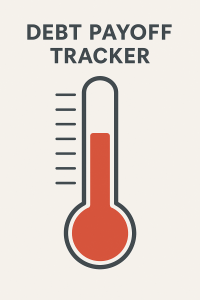
    • Use a visual tracker to see your progress
    • Celebrate every debt you pay off (yes, even small ones!)
    • Tell someone your goal or check in monthly with a partner

    Real Talk: This Takes Time—And That’s Okay You didn’t accumulate this debt overnight, and you don’t have to fix it overnight either. But with a plan, support, and steady action, you will make progress.


    Reflection Prompts

    • What would being debt-free allow you to do or feel?
    • Which debt weighs on you the most emotionally?
    • What’s one small change you could try this month to free up extra cash?
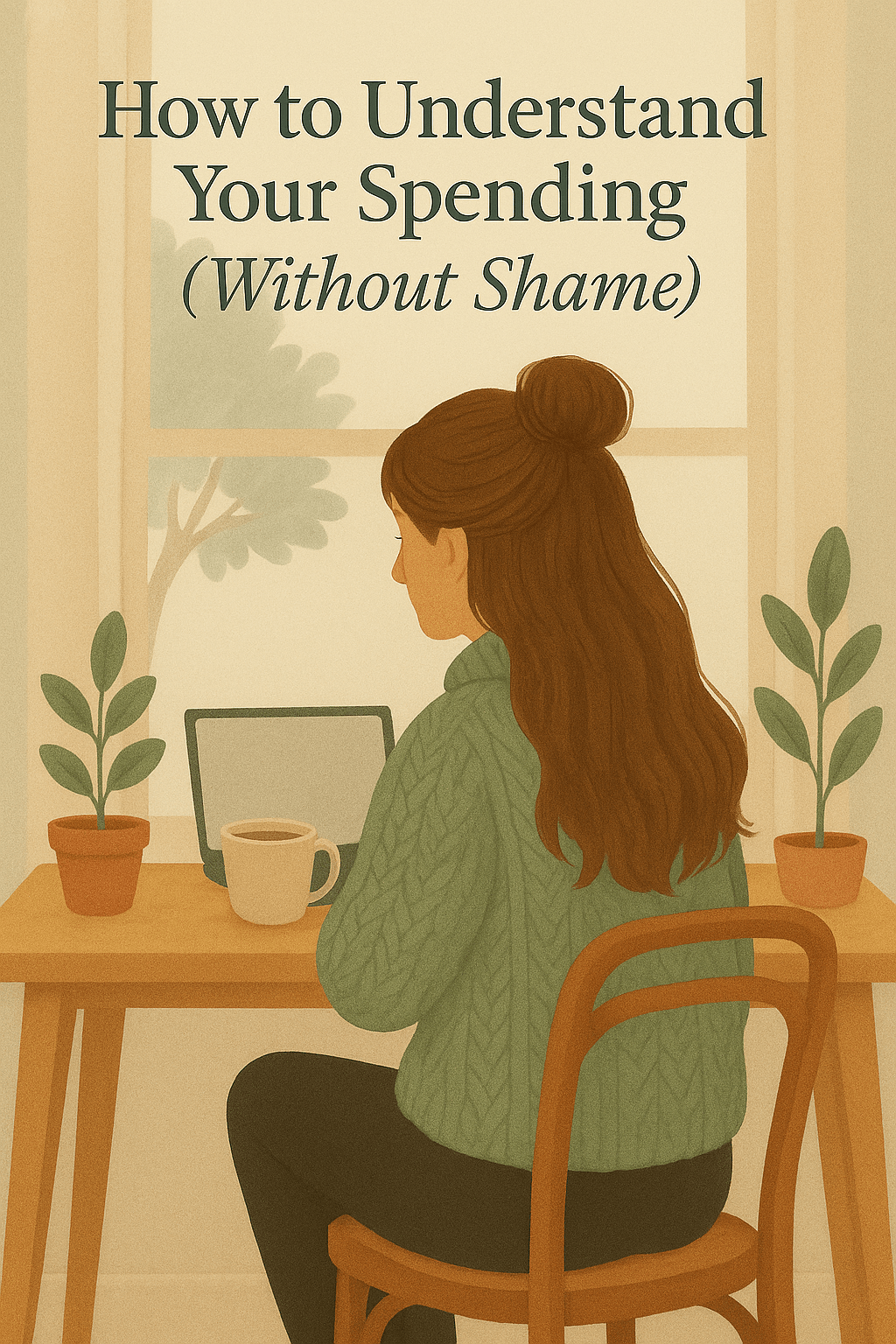
  • How to Understand Your Spending (Without Shame)

    How to Understand Your Spending (Without Shame)

    Post 2 in the “How to Get Started Managing Your Personal Finances” Series

    This week, I’m going to ask you to take a deeper look at your spending habits. Personally, I love doing this—it gives me so much insight into what’s really been happening with our money.

    I used to do this exercise a couple of times a year, and—honestly—I was always a little shocked at what I found. Especially when it came to eating out. I love eating out—probably too much. During COVID, my husband and I sat down and realized we had spent several thousand dollars at one restaurant over the course of a year. Yikes. That was not how we wanted to be using our money.

    But here’s the thing—that moment, though humbling, was empowering. Because once we saw it, we could change it.

    This kind of honest awareness is the first real step in managing your finances: understanding where your money is actually going right now.


    Why This Matters

    Most of us think we know where our money goes—but the reality is often surprising. Whether it’s takeout, Amazon orders, or those mysterious Target runs, it’s easy to lose track.

    But here’s the truth:

    • You can’t change what you don’t understand.
    • Seeing your spending clearly helps you recognize where your money already aligns with your values—and where it doesn’t.
    • You’ll likely notice patterns: leaks, blind spots, or emotional spending you never realized was there.

    This isn’t about shame or judgment. It’s about getting honest and curious so you can move forward with more intention.


    How to Start Tracking

    There’s no one “right” way to do this—just choose a method that feels doable and get started. Here are a few options:

    Option 1: The Deep Dive

    This is my go-to method—no fancy apps, just me and an Excel sheet.

    1. Gather all your spending accounts – list out your bank accounts, credit cards, and anywhere else money exits.
    2. Export your statements and bring them into one spreadsheet. You can use Excel or Google Sheets. You can keep them on separate tabs or consolidate them—whatever makes the most sense for you.
    3. Categorize your spending. Next to each expense line, assign it a a category. My usual categories include eating out, groceries, utilities, transportation, home improvement, pets, health, etc. There’s no “right” list—use what feels relevant to your life.
    4. Summarize. How much are you spending in each category per month? Are there any surprises? What categories seem out of sync with your values? Pro tip: If you aren’t too familiar with spreadsheets, search how to do a ‘sumifs’ formula, it will really help in your analysis.
    5. If it’s your first time, try going back 12 months. If that feels like too much, start with the last 3 months. The goal isn’t perfection—it’s insight.

    Option 2: Use What’s Already Available

    Some credit cards and banks provide spending summaries by category. Log in to your online portal and see what kind of reports are available. If you have multiple accounts, check each one to get the full picture. This might be all you need to get started.

    Option 3: Start From Today

    If the idea of looking backward feels overwhelming, no problem—start tracking from today. Write down every expense moving forward. I recommend using Excel or Google Sheets instead of paper—it makes it easier to sort and analyze later.


    🌱 A Foundational Step

    This stage is the foundation of your entire financial journey. Before you can make intentional changes or build a budget that reflects your values, you need to understand what’s really happening with your money right now. Awareness always comes before control—and the insight you gain here will guide every step that follows.


    A Note on Expense Tracking Apps

    There are plenty of apps that can help track spending automatically. While they can be helpful, I suggest holding off on them until you have a clearer sense of your budget and values.

    Many apps are freemium (limited unless you pay) and may not allow full account linking without upgrading. If you do try one, look for a free trial—but remember to cancel before it charges you.

    Apps are just tools. You are the expert on your own life.


    Reflection Prompts

    This step is about connection—between your money and your life. As you review your spending, pause and reflect:

    • What surprised you about your spending?
    • What purchases feel aligned with your values and priorities?
    • Where are you spending out of habit, stress, or convenience?
    • What’s one small change that could help your spending feel more intentional?

    You might notice spending on things that don’t bring you joy—or realize there’s something important you’ve been overlooking. Either way, you now have insight to help you make thoughtful, empowered decisions.


    What’s Next

    Now that you’ve taken this first step—understanding where your money is going—the next post will help you align your spending with what actually matters most to you.

    Remember: this is a process. You’re not behind. Just by showing up and paying attention, you’re doing something powerful—and your future self will thank you for it.

    If you’re comfortable, leave a comment on how this exercise went and what you learned!

  • Why Personal Finance Isn’t Just About the Numbers

    Why Personal Finance Isn’t Just About the Numbers

    Why it matters: Financial independence gives you the ability to live the life you want.

    Have you ever felt stuck in a job that completely drains you? Or so overwhelmed by everything you have to do that there’s no room left to take care of yourself?

    Maybe you’re happy overall—but still wish you had more time with your family, more freedom to travel, or just more space to pursue your passions.

    I’ve been there. And I know many others have too. It’s exhausting to feel like you’re being dragged through life instead of living it on your own terms.

    That’s why this matters.

    Financial freedom changes everything.

    It doesn’t mean you’ll quit your job tomorrow or never stress about money again. But it does mean that when you’re burned out, unhappy, or ready for something new—you have the power to make a change.

    And that kind of freedom? It’s worth working for.

    It’s not just about the life you want to build—it’s also about being ready when life throws something unexpected your way. A layoff. A family member who needs care. A health issue or a sudden move. These things happen, and when they do, financial stability can offer something priceless: options. The ability to pause, pivot, or take a breath without everything falling apart.

    The journey isn’t instant. It takes time. It takes intention.
    But it starts now.

    Over the next few weeks, I’ll be sharing a step-by-step series to help you manage your money with more confidence and clarity—so you can build a life that feels good, not just one that looks good on paper.


    🌿 Reflection: Start With Your Vision

    Before we dive into the numbers, I want you to pause and think about why this really matters to you. You don’t need clear goals yet—just curiosity and honesty.

    Ask yourself:

    • What does a good life look and feel like to me?
    • If I had more freedom with my time or money, what would I do differently?
    • What am I craving more of—peace, time, purpose, creativity?
    • Where in my life do I feel misaligned or stuck?
    • What would “enough” look like for me?

    There are no right answers here. Just sit with the questions. Journal if it helps. Let the process unfold naturally.