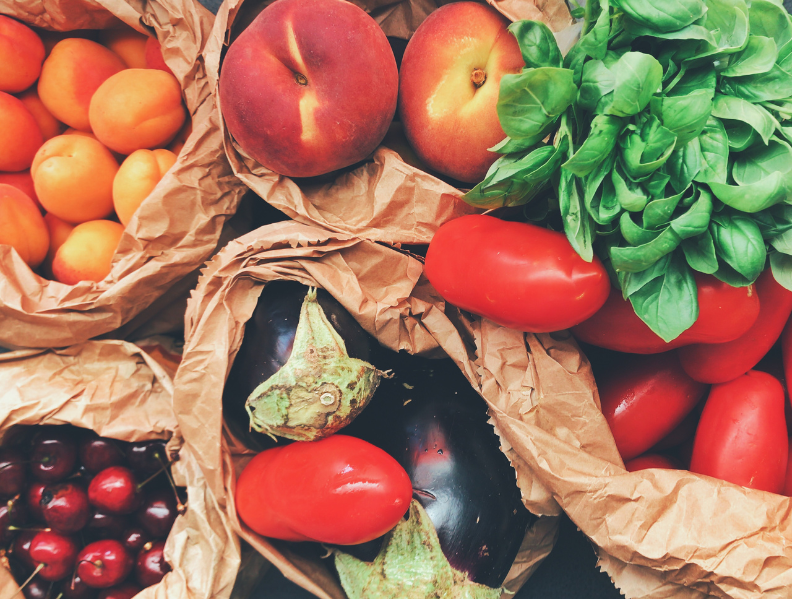
Simple hacks to save money and reduce food waste
One of the biggest monthly expenses for most households is food. And while eating well is always worth investing in, there’s nothing more frustrating than throwing away wilted greens or moldy berries that were forgotten in the back of the fridge.
So, what better way to start your money-saving journey than by making the most of what you already have? This guide will show you how to stretch your grocery budget, reduce food waste, and make your food last longer—all with simple habits you can start today.
Storage Hacks to Prevent Spoilage
1. Know Your Produce Zones
Different foods thrive in different environments. Store them where they’ll last the longest:
- Fridge: Berries, leafy greens, broccoli, carrots, grapes, apples
- Counter (then fridge): Avocados, bananas, tomatoes, peaches (ripen on the counter, then refrigerate)
- Pantry: Onions, garlic, potatoes (keep these separate—storing them together speeds up spoilage)
Pro tip 1: Use separate drawers for fruits and veggies. Fruits like apples release ethylene gas, which can cause veggies to spoil faster.
Pro tip 2: Once avocados are ripe, put them in water and store them in the fridge, this will help them last weeks!
2. Store Greens Properly
- Wrap lettuce, spinach, or herbs in a paper towel and store in a zip-top bag or produce container to absorb moisture and keep them crisp.
- Wilted greens? Soak them in cold water for 15–20 minutes to bring them back to life.
3. Give Berries a Vinegar Bath
- Mix 1 part vinegar to 3 parts water, rinse, then dry thoroughly before storing.
- This quick trick helps kill mold spores and can extend freshness by up to a week.
4. Freeze Extras Before They Go Bad
- Freeze bread, meats, shredded cheese, and cooked beans while they’re still fresh.
- Chop and freeze onions, peppers, spinach, or bananas for easy smoothies or stir-fries later.
5. Use Airtight Containers
- Store dry goods like cereal, rice, pasta, and flour in airtight containers to keep out moisture and bugs.
- Label with expiration dates if you tend to forget what’s in the back of the cabinet.
Smart Usage Tips to Avoid Waste
6. Plan Meals Around Perishables First
- Use fragile items like berries, spinach, or cucumbers early in the week.
- Save longer-lasting produce—think carrots, cabbage, apples, sweet potatoes—for later.
7. Create a “Leftovers Shelf”
Designate one shelf or container in your fridge just for opened sauces, half-used produce, or cooked grains so nothing gets forgotten and tossed.
8. Keep an “Eat Me First” List
Jot down foods that need to be used soon and stick it on your fridge. Build meals around what you already have before adding more to the grocery list.
9. Repurpose Instead of Tossing
- Wilted greens → sauté into eggs, soups, or pasta
- Leftover veggies → blend into sauces or add to grain bowls
- Overripe fruit → freeze for smoothies or bake into muffins
Buying Tips to Save Long-Term
10. Buy Frozen When It Makes Sense
Frozen fruits and veggies are budget-friendly, last longer, and are just as nutritious. They’re perfect for smoothies, soups, and last-minute meals.
11. Don’t Overbuy Fresh Produce
It’s tempting to load up when the produce section looks good, but only buy what you can use in 4–5 days. Supplement with freezer and pantry staples later in the week.
12. Batch Cook + Freeze Meals
Make double batches of soups, stews, or casseroles and freeze individual portions. This reduces midweek cooking stress and makes sure nothing gets lost in the fridge.
Bonus Tools That Make a Difference
- Produce savers with vents (like OXO GreenSaver) can significantly extend freshness
- Silicone freezer bags or glass jars make freezing easier and eco-friendly
- Chalkboard labels or a small whiteboard on your fridge help track expiration dates and plan meals quickly
Big Picture Reminders
- Shop your pantry and freezer before heading to the store
- Create a flexible meal plan that lets you swap ingredients based on what’s about to go bad
- A little prep now = fewer forgotten items, more money saved, and less guilt over food waste
Comment below what hacks you have been using to help your groceries last longer!
 Chic Money Life
Leave a comment